As a pet parent, you probably have everything your dog or cat needs for a comfortable life, from nutritious food and favourite toys to cosy sleeping spots. But have you ever thought about what you would do if your pet suddenly became ill, got injured, or needed to leave home during an emergency?
Unexpected situations can happen at any time. A sudden illness, road accident, natural disaster, fire, or even a power outage can leave you scrambling to find essential supplies. During these stressful moments, having everything organised in one place can make a significant difference.
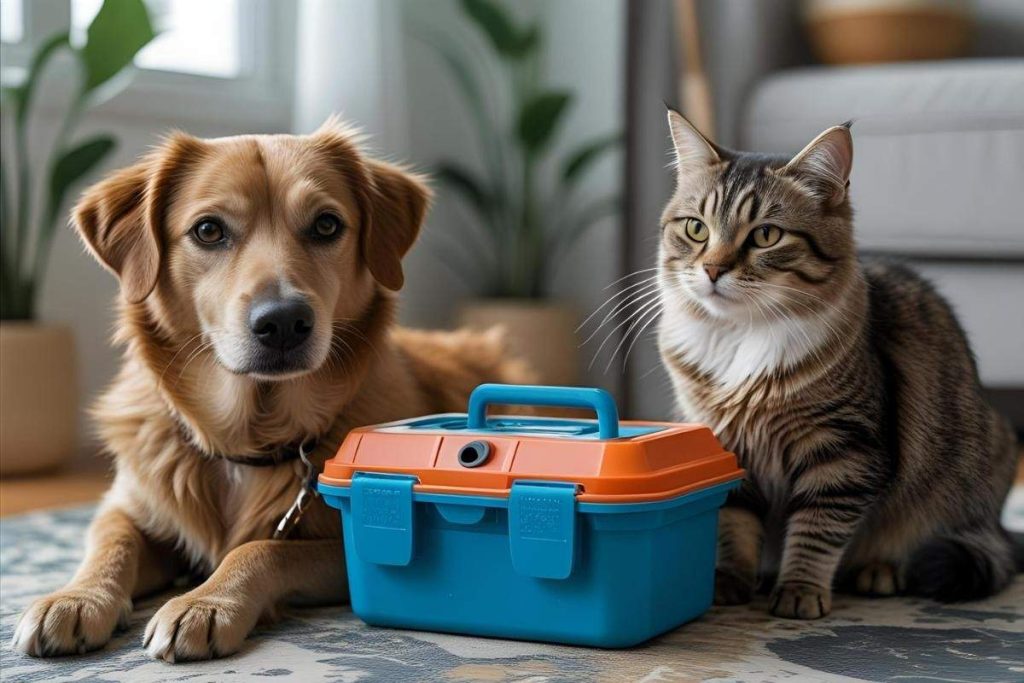
A pet emergency kit helps you respond more confidently when your furry companion needs immediate attention. Whether you have a playful puppy, an indoor cat, or an older dog, preparing an emergency kit for your home and car is a simple but important step towards responsible pet ownership.
Let’s explore what to include, how to organise everything, and how to make sure your emergency supplies are always ready.
Why Does Every Pet Need an Emergency Kit?
Pets depend on their owners for food, shelter, safety, and medical attention. Unlike humans, they cannot explain what hurts or tell us what they need during an emergency.
For example, imagine your dog accidentally cuts its paw during a walk, or your cat suddenly starts vomiting while travelling. Searching through different cupboards for basic supplies can waste valuable time.
A well-prepared pet emergency kit allows you to access essential items quickly.
Here are a few situations where an emergency kit can be helpful:
- Minor cuts, scratches, and paw injuries.
- Sudden travel or emergency evacuation.
- Unexpected weather conditions or natural disasters.
- Temporary food and water shortages.
- Accidental exposure to harmful substances.
- Situations where you need to transport your pet safely.
Remember, an emergency kit is not a replacement for veterinary care. It simply helps you provide basic support until professional assistance is available.
1. Essential First Aid Supplies for Pets
A pet first aid kit should be one of the most important sections of your emergency supplies. It should contain basic materials that can help you manage minor injuries while arranging veterinary treatment.
Consider including the following items:
Sterile gauze pads: Useful for covering minor wounds and applying gentle pressure to bleeding areas.
Non-stick wound dressings: Help protect injured areas without sticking directly to the wound.
Medical adhesive tape: Can help secure dressings when used appropriately.
Pet-safe saline solution: Useful for gently flushing dirt from minor wounds or rinsing irritated areas when advised.
Blunt-ended scissors: Helpful for carefully trimming bandages or cutting gauze. Keep them away from your pet’s skin.
Disposable gloves: Help maintain hygiene when handling injuries.
Digital thermometer: A pet-specific thermometer can help you monitor your pet’s temperature if you know how to use it safely.
Tweezers: Useful for removing visible surface debris, but avoid digging into wounds or attempting to remove deeply embedded objects.
You should also keep your veterinarian’s contact information inside the kit.
Avoid using human painkillers, antiseptic creams, or medications unless a veterinarian specifically recommends them. Some common human medicines can be extremely dangerous to pets.
2. Keep Enough Food and Clean Drinking Water
During emergencies, access to your pet’s regular food and clean water may become difficult. Keeping a small supply ready can prevent unnecessary stress.
Include:
- At least three days of your pet’s regular food.
- Bottled drinking water.
- Collapsible food and water bowls.
- A manual can opener if you use canned food.
- Airtight food storage containers.
- A few familiar treats.
Choose food that your pet already eats rather than introducing unfamiliar products during an emergency.
For pets with special dietary requirements, pack their usual prescribed food and clearly label it.
Remember to rotate stored food and water regularly so that supplies remain fresh and safe to use.
3. Pack Your Pet’s Medications and Medical Records
If your pet takes regular medication, keeping an emergency supply is particularly important.
Prepare a separate waterproof pouch containing:
- Current prescription medications.
- Written dosage instructions from your veterinarian.
- Copies of vaccination records.
- Medical history and allergy information.
- Details of existing health conditions.
- Your regular veterinary clinic’s contact details.
If your pet requires temperature-controlled medication, follow the manufacturer’s storage instructions and arrange suitable transport during emergencies.
It is also helpful to keep recent photographs of your pet. These can be useful if your dog or cat becomes separated from you.
4. Include Important Identification and Travel Supplies
During an evacuation or unexpected journey, pets may become frightened and try to escape.
Proper identification and secure transportation can reduce this risk.
Your emergency kit should include:
- A sturdy collar with an identification tag.
- A comfortable, well-fitted harness.
- A strong leash.
- A secure pet carrier for cats and small animals.
- A suitable travel crate for dogs when appropriate.
- Recent photographs of your pet.
- Copies of microchip or registration details, if applicable.
Make sure the identification tag contains your current contact number.
For cats, a secure carrier is especially important because frightened cats may hide or attempt to escape in unfamiliar surroundings.
5. Prepare Comfort and Hygiene Items
An emergency can be frightening for animals. Familiar smells and comfortable surroundings may help them feel more secure.
Consider packing:
Familiar blanket: Your pet’s regular blanket can provide comfort in an unfamiliar environment.
Small favourite toy: A familiar toy may help reduce stress.
Pet waste bags: Essential for cleaning up after dogs during travel or evacuation.
Pet-safe cleaning supplies: Useful for cleaning small messes.
Absorbent towels: Helpful for drying wet fur or cleaning unexpected spills.
Pet wipes: Choose products specifically designed for animals.
For cats, include a small supply of litter, a portable litter tray, and waste bags.
These simple items can make temporary accommodation or emergency travel more manageable.
6. Create a Separate Emergency Kit for Your Car
Your home emergency kit may contain everything your pet needs, but travelling requires a few additional supplies.
A dedicated car emergency kit ensures that you are prepared even when you are away from home.
Include:
- A travel-safe water container.
- Collapsible bowls.
- A small supply of regular pet food.
- A spare leash and harness.
- A secure pet carrier or travel restraint.
- Pet waste bags.
- Absorbent towels.
- A basic first aid pouch.
- Copies of important medical records.
- A familiar blanket.
Keep these supplies organised in a dedicated bag or storage container.
Important car safety tip: Never leave your pet unattended inside a parked vehicle, particularly in hot weather. Temperatures inside cars can rise dangerously quickly, even when the windows are slightly open.
During long journeys, plan regular breaks for drinking water, toilet needs, and movement.
7. Prepare for Natural Disasters and Unexpected Evacuations
Depending on where you live, emergencies may include floods, heavy rainfall, cyclones, fires, or other unexpected events.
Pet parents should prepare a separate evacuation plan instead of waiting until an emergency occurs.
Here are some practical steps:
- Identify pet-friendly temporary accommodation.
- Keep your pet’s carrier easily accessible.
- Know the nearest veterinary clinic and emergency animal hospital.
- Keep important documents in a waterproof folder.
- Prepare enough food, water, and medication for at least three days.
- Make sure every family member knows where the emergency kit is stored.
If you have multiple pets, prepare individual food portions, identification details, and transportation arrangements for each animal.
Do not wait until the last moment to search for carriers or gather supplies.
8. How to Maintain Your Pet Emergency Kit
Preparing an emergency kit once is not enough. Supplies can expire, medications may change, and your pet’s needs can develop over time.
Follow a simple maintenance routine:
Check expiry dates: Inspect medications, saline solutions, packaged food, and other dated products regularly.
Replace used supplies: Refill anything you use so the kit is ready for the next emergency.
Update medical records: Add recent vaccination details, new prescriptions, and updated veterinary contacts.
Check identification: Make sure your phone number and other contact details are current.
Inspect travel equipment: Check collars, harnesses, carriers, and leashes for damage.
A quick inspection every three months is a useful habit.
9. Pet Emergency Kit Checklist
Use this checklist when preparing your supplies.
First Aid Supplies
- Sterile gauze pads
- Non-stick dressings
- Medical adhesive tape
- Pet-safe saline solution
- Blunt-ended scissors
- Disposable gloves
- Digital thermometer
Food and Water
- Three-day food supply
- Bottled drinking water
- Collapsible bowls
- Airtight food containers
- Familiar treats
Medical and Identification
- Prescription medications
- Vaccination records
- Medical history
- Veterinary contact details
- Identification tag
- Recent pet photographs
Comfort and Travel
- Leash and harness
- Secure pet carrier
- Familiar blanket
- Favourite toy
- Pet waste bags
- Towels and pet wipes
- Cat litter and portable tray, if needed
Store the checklist inside your emergency kit so you can quickly check whether anything is missing.
Frequently Asked Questions
1. What should be included in a basic pet emergency kit?
A basic pet emergency kit should contain first aid supplies, regular pet food, drinking water, medications, vaccination records, identification details, a leash, a carrier, and basic hygiene products.
2. How much food and water should I keep for my pet?
Prepare at least a three-day supply of your pet’s regular food and sufficient clean drinking water. The exact water quantity depends on your pet’s size, diet, activity, and weather conditions.
3. Can I use a human first aid kit for my dog or cat?
Some basic supplies, such as sterile gauze and disposable gloves, may be suitable for pets. However, human medications and certain antiseptic products can be harmful. Always check with a veterinarian before using them.
4. How often should I check my pet emergency kit?
Inspect your kit every three months. Replace expired supplies, replenish used items, and update your pet’s medical information whenever necessary.
5. Should I keep a separate emergency kit in my car?
Yes. A dedicated car kit is useful for road trips, unexpected delays, and emergencies away from home. Include food, water, identification, a leash, a carrier, basic first aid supplies, and cleaning materials.
Final Thoughts
Your pet is an important part of your family, and their safety deserves the same attention as everyone else’s. While nobody wants to imagine an emergency involving their furry companion, a little preparation today can make unexpected situations easier to manage.
Start by collecting basic first aid supplies, regular food, clean water, medications, identification details, and familiar comfort items. Keep one emergency kit at home and another in your car, and remember to check both regularly.
Most importantly, know when to seek professional veterinary help. Quick preparation and timely medical attention can make a meaningful difference to your pet’s safety and well-being.