Winter brings cozy days for us, but for dogs, it can also bring several skin problems. Cold air, low humidity, and indoor heating can easily dry out your dog’s skin. As a result, many dogs face itching, flakes, and irritation during the winter months.
Because of this, it’s important for pet parents to understand the most common winter skin problems in dogs and how to fix them. In this guide, you will learn how to spot these issues early and how to keep your dog comfortable throughout winter.
Why Winter Affects Your Dog’s Skin
Even though dogs have fur, their skin is still sensitive. During winter, the weather changes quickly. As a result, your dog’s skin may lose moisture faster than usual. This happens because:
-
The air becomes dry
-
Indoor heaters reduce humidity
-
Dogs take fewer baths
-
Dogs go outside less often
Due to these factors, dryness and itching become very common. However, with a few simple steps, you can protect your dog’s skin easily.
1. Dry Skin
Dry skin is one of the most common winter problems for dogs. You may notice:
-
White flakes
-
Constant itching
-
Rough or dry patches
-
A dull coat
Dry indoor air makes this issue worse.
Solutions for Dry Skin
To help your dog, try these simple steps:
-
Use a humidifier: It adds moisture to the air.
-
Switch to moisturizing shampoos: Oatmeal and aloe shampoos work very well.
-
Reduce baths: Bathe your dog every 3–4 weeks only.
-
Add healthy oils: Omega-3 oils support healthy skin.
Because of these changes, your dog’s skin will stay soft and hydrated.
2. Winter Dandruff
When dry skin becomes worse, it turns into dandruff. This problem increases during winter because the skin becomes dry faster.
Signs of Dandruff
-
White flakes
-
Red patches
-
Itching
-
Skin irritation
Solutions for Dandruff
-
Use hydrating conditioners after baths
-
Brush regularly to spread natural oils
-
Add omega supplements for skin health
-
Use medicated shampoo only if your vet recommends it
With regular care, dandruff reduces quickly.
3. Winter Allergies & Itching
Winter allergies are more common than many pet parents think. Since dogs stay indoors for longer hours, they are exposed to:
-
Dust
-
Mold
-
Indoor heating
-
Carpet fibers
Because of this, their skin becomes itchy.
Signs of Allergies
-
Constant scratching
-
Red skin
-
Licking paws
-
Hair loss
Solutions for Itchy Skin
-
Clean your home often to reduce dust
-
Wash your dog’s bedding every week
-
Use anti-itch sprays made for dogs
-
Feed skin-friendly supplements like omega oils
If the itching does not stop, it is best to visit your vet.
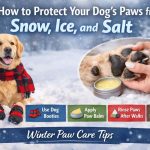
4. Cracked Paw Pads
Cold weather can damage your dog’s paws. When your dog walks on cold pavements, ice, or salt, the paw pads may crack easily.
Symptoms of Cracked Paws
-
Redness
-
Dry and rough pads
-
Bleeding
-
Limping
Solutions for Paw Care
-
Apply paw balm daily
-
Wipe paws after walks
-
Use dog booties in extreme cold
-
Trim hair between paw pads to prevent ice buildup
Because the paws have less protection, they need extra care during winter.
5. Hot Spots
Hot spots can develop when your dog licks or scratches the same area repeatedly. In winter, dry skin leads to more itching, which increases the risk of hot spots.
Symptoms of Hot Spots
-
Red patches
-
Oozing skin
-
Bad smell
-
Pain or irritation
Solutions for Hot Spots
-
Clean the area gently with antiseptic
-
Trim the hair around the spot
-
Apply medicated cream suggested by your vet
-
Use an e-collar to stop licking
Because hot spots spread fast, treating them early is very important.
6. Fur Matting
Many dogs develop thicker fur during winter. Without regular grooming, this fur can become matted. Mats trap moisture and irritate the skin.
Solutions for Matting
-
Brush the coat 3–4 times a week
-
Use a detangling spray
-
Visit a professional groomer
-
Keep long-haired dogs trimmed
Since mats can be painful, preventing them is always better.
7. Dry Nose and Elbows
Winter air dries out exposed areas like the nose, elbows, and ear tips. These areas may become rough, flaky, or cracked.
Solutions
-
Use natural balms (coconut oil or shea butter)
-
Give warm bedding
-
Avoid cold floors
-
Keep your dog hydrated
Because these areas have less natural protection, balms help a lot.
How to Prevent Winter Skin Problems in Dogs
Luckily, many winter skin issues can be prevented. Here are simple steps that make a big difference:
1. Brush Regularly
Brushing helps spread natural oils and keeps the coat healthy.
2. Use a Humidifier
This prevents dryness inside your home.
3. Feed a Healthy Diet
Foods rich in omega-3 support strong and hydrated skin.
4. Reduce Baths
Frequent baths remove natural skin oils.
5. Choose Moisturizing Products
Pick shampoos and conditioners made for dry skin.
6. Keep Your Dog Hydrated
Water helps maintain skin elasticity.
7. Protect During Walks
Use jackets, booties, and balms when the temperature drops.
Because prevention is simple, your dog can stay comfortable all winter.
When Should You Visit a Vet?
Although most winter skin problems can be managed at home, some symptoms require professional care. Contact your vet if your dog has:
-
Constant itching for more than three days
-
Bleeding patches
-
Oozing skin
-
Hair loss
-
Bad odor
-
Lumps or bumps
-
Behavioral changes due to pain
A vet can diagnose the problem and suggest proper treatment.
Final Thoughts
Winter can be challenging for dogs, especially when it comes to skin health. However, with the right routine, you can easily prevent discomfort. By understanding the most common winter skin problems in dogs and following the solutions above, your dog will stay comfortable, itch-free, and happy throughout the season.