
You know that moment when you get your keys and your pup’s ears lift, tail starts to wag, but before you even reach the door, their mood shifts? Maybe they freeze, pant, whine, or dart from window to couch, trying to anticipate your departure. For so many dog parents, this is the heartbreaking reality of separation anxiety, a deeply emotional experience for dogs that feels a lot like panic and fear when they are left alone.
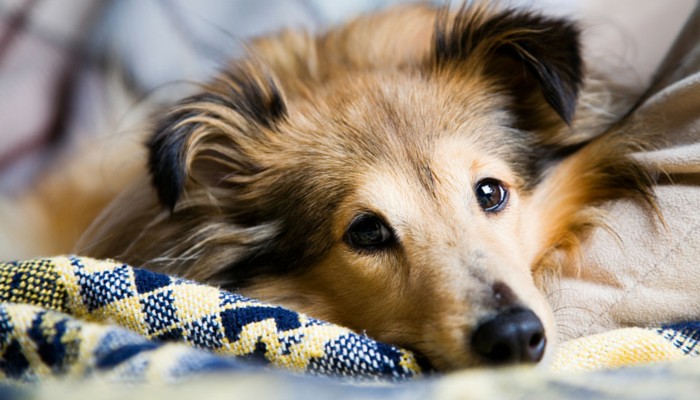
Separation anxiety isn’t just stubborn mischief, it’s a stress response rooted in a dog’s instinct to stay close to their trusted companion. Many dogs don’t just miss us; their nervous system literally floods with stress hormones when we walk out the door. The couch cushion isn’t destroyed because your pup is “bad,” it’s their way of releasing intense anxiety that doesn’t have another outlet.
Helping a dog through separation anxiety requires patience, consistency, and emotional understanding. There’s no shortcut, but there is hope in shaping new associations so your dog learns that alone time doesn’t have to feel like danger. At its heart, the journey is about rewiring emotional expectations, turning the thought of being alone from something frightening into something manageable.
3 Ways to Help a Dog With Separation Anxiety
Behavioral desensitization. Instead of abrupt departures that trigger panic, you start small: walking to the next room and returning before your dog gets distressed, then gradually lengthening that time. It’s slow, sometimes slower than we want, but each calm, confident minute your dog spends alone builds trust that you will return.
Positive association training. This isn’t about distraction; it’s about comfort and confidence. Giving your dog enjoyable challenges, like scent games or puzzle toys before you leave, helps shift their emotional focus from stress to anticipation of something positive, and a mentally stimulated dog is far less likely to fall into anxiety.
Dog Programming. Modern pet parenting also offers some new, supportive tools. Many behavioural specialists now suggest providing engaging background audio or visual content, especially for dogs who seem to “talk back” to silence. Platforms like Liquid Canvas offer screens designed with pets in mind — gentle natural scenes and calming imagery that can provide comfort and interest for dogs while their humans are away.
Imagine dropping your keys, turning on the TV, and seeing your dog settle, tail wagging just a bit softer as they watch slow-moving scenes paired with calming sounds. It’s not a replacement for training, but it’s an addition to a wellbeing-forward strategy that many dog parents are exploring as part of a suite of tools for anxiety relief.
Above all, what matters most in addressing separation anxiety is empathy. Your dog isn’t acting out; they’re telling you something important, that alone time feels scary. With time, gentle training, environmental enrichment, and tools that make their home feel more engaging, you can help your dog feel grounded and secure, even when you’re not physically there.
About the Author
Brian Fitzgerald is a dog care writer and pet wellness specialist with over a decade of experience helping owners understand canine behaviour and wellbeing. He focuses on practical, evidence-based advice that empowers pet owners to improve their dogs’ quality of life.